Shockwave Therapy
What is Shockwave therapy ?
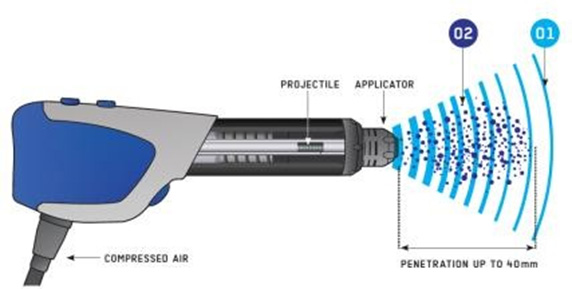
Shockwave therapy harnesses the power of acoustic waves moving faster than the speed of sound to stimulate healing and relieve pain.
- Compressed air accelerates a projectile to speeds of up to 90 km/h, striking a fixed applicator.
- This kinetic energy transforms into a high-energy acoustic pressure wave, which penetrates the skin and targets deep tissues.
- The wave stimulates circulation, promotes cellular repair, and enhances the body’s natural healing response.
This advanced, non-invasive therapy is used to effectively treat musculoskeletal conditions, chronic pain, and soft tissue injuries—helping you recover faster and move pain-free. Discover the benefits of shockwave therapy today!
Not All Shockwaves Are Created Equal
The effectiveness of shockwave therapy depends on the quality and intensity of energy transmission—not all shockwave devices deliver the same therapeutic impact.
- Energy transmission begins with a primary compression phase, followed by a negative pressure/tensile phase that stimulates tissue.
- The tensile phase releases stored energy, creating cavitation bubbles that enhance the treatment effect.
- Higher cavitation levels result from greater energy density, meaning more therapeutic stimulation for deeper and more effective healing.
- The higher the energy, the better the therapeutic response, ensuring superior results in pain relief and tissue regeneration.
When choosing shockwave therapy, device quality and energy output matter. Experience the benefits of high-energy, clinically effective shockwave therapy—Book your session today!
The Skill of the Practitioner Matters Just as Much as the Device
When it comes to shockwave therapy, the quality of the device is crucial—but equally important is the skill and expertise of the practitioner delivering the treatment.
- Precise application – A highly trained practitioner knows exactly where and how to apply the shockwaves, ensuring optimal tissue stimulation and better treatment outcomes.
- Adjusting energy levels – Not all injuries require the same intensity. A skilled professional will tailor the energy settings to your specific condition for maximum effectiveness without unnecessary discomfort.
- Targeting the right areas – Shockwave therapy is most effective when applied to precise anatomical structures. An experienced practitioner understands musculoskeletal function, allowing for accurate targeting of the affected tissues.
- Customised treatment plans – A one-size-fits-all approach doesn’t work. The right practitioner will assess your condition, adjust treatment parameters, and integrate complementary therapies for the best possible outcome.
- Clinical expertise in cavitation effects – The therapeutic impact of shockwave therapy depends on energy density and cavitation levels. A trained practitioner understands how to maximise these effects safely and effectively.
Advanced technology alone isn’t enough—expert hands make the difference. When choosing shockwave therapy, ensure your treatment is delivered by a skilled and experienced professional for the best results and long-term recovery. As a Key opinion leader for EMS Shockwave therapy, Dr Tamara has over 15 years of experience in using this modality with excellent results.
Enhancing Shockwave Therapy with Diagnostic Ultrasound
At our clinic, we combine shockwave therapy with diagnostic ultrasound to ensure precise, targeted, and effective treatment for musculoskeletal conditions.
Accurate Assessment
Diagnostic ultrasound allows us to visualise soft tissue injuries in real-time, ensuring we correctly identify tendon, ligament, and muscle pathologies before treatment begins.
Precision Treatment
By using ultrasound, we can pinpoint the exact location of injury and tailor the shockwave intensity and focus to where it’s needed most, maximizing effectiveness.
Tracking Progress
Ultrasound imaging helps us monitor tissue changes and healing progress, allowing us to adjust treatment strategies for the best possible outcomes.
Better Outcomes, Faster Recovery
Combining shockwave therapy with diagnostic ultrasound ensures more accurate treatments, reduced treatment time, and improved long-term recovery.
By integrating real-time imaging with high-energy therapy, we take a scientific, results-driven approach to musculoskeletal care.
Understanding Tendon Injuries: Tendonitis, Tenosynovitis, Tendinosis, Calcific Tendinosis, and Tendon Tears & Ruptures
Tendon injuries are a common cause of pain, stiffness, and restricted movement, but not all tendon issues are the same. Understanding the differences between tendonitis, tenosynovitis, tendinosis, calcific tendinosis, tendon tears, and ruptures is essential for getting the right treatment.
🟠 Tendonitis – Inflammation of the Tendon
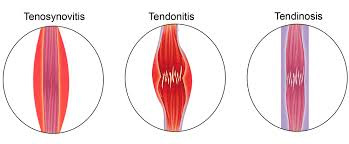
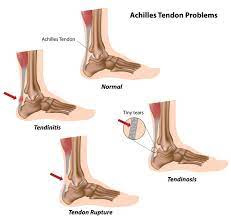
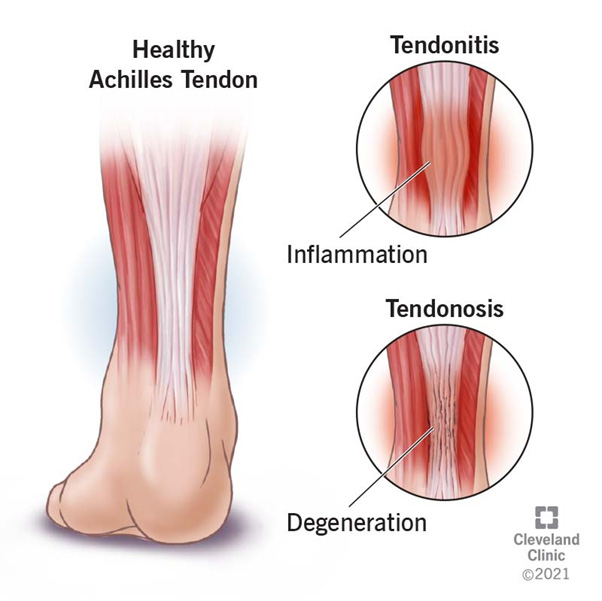
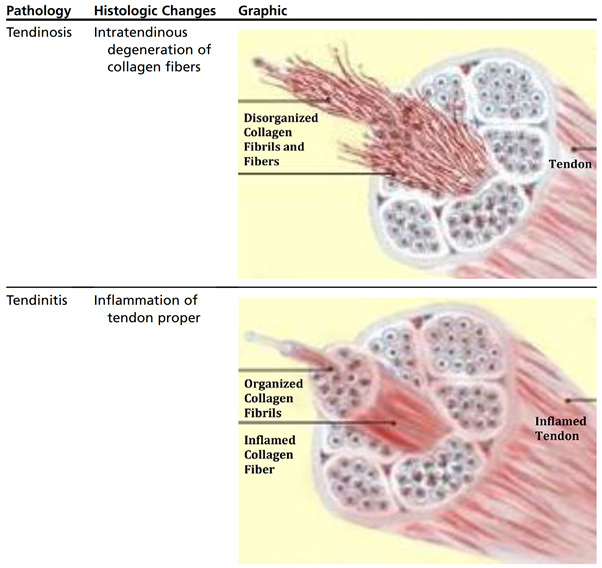
Tendonitis is acute inflammation of a tendon, usually due to overuse or repetitive strain. It results in pain, swelling, and tenderness in the affected area.
✅ Common Causes: Sudden increase in activity, repetitive movements (e.g., typing, running).
✅ Example: Tennis elbow, Achilles tendonitis.
✅ Treatment: Rest, ice, anti-inflammatory care, shockwave therapy and or high power laser therapy.
🟠 Tendinosis – Chronic Tendon Degeneration
Unlike tendonitis, tendinosis is not caused by inflammation but rather degeneration of tendon fibers over time. It results from long-term overuse, leading to microscopic damage, thickening, and weakening of the tendon.
✅ Symptoms: Chronic pain, stiffness, and reduced tendon strength.
✅ Example: Chronic Achilles or rotator cuff tendinosis.
✅ Treatment: Shockwave therapy, rehabilitation exercises, soft tissue therapy to stimulate tendon repair.
🔵 Tenosynovitis – Inflammation of the Tendon Sheath
Tendons are surrounded by a protective sheath called the synovium, which helps them move smoothly. When this sheath becomes inflamed, the condition is called tenosynovitis.
✅ Symptoms: Swelling, pain, and a grating or clicking sensation when moving the affected tendon.
✅ Example: De Quervain’s tenosynovitis (affecting the thumb).
✅ Treatment: Immobilization, anti-inflammatory treatments such as high power laser therapy, manual therapy.
⚪ Calcific Tendinosis – Calcium Deposits in the Tendon
In some cases, calcium deposits form inside the tendon, causing pain and restricted movement. This is known as calcific tendinosis, which often affects the shoulder (rotator cuff) but can also occur in other tendons.
✅ Symptoms: Sudden or chronic pain, limited range of motion, painful flare-ups.
✅ Example: Calcific rotator cuff tendinosis.
✅ Treatment: Shockwave therapy to break down calcium deposits, manual therapy, rehabilitation exercises.
🔴 Tendon Tears – Partial Damage to the Tendon
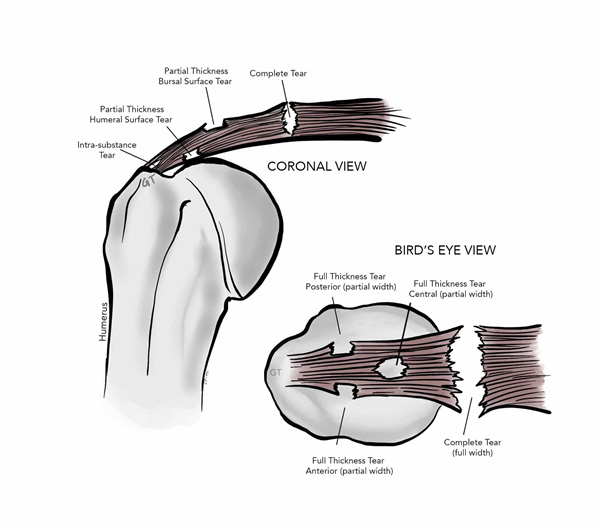
A tendon tear occurs when the fibers of the tendon partially tear, usually due to overuse, sudden trauma, or weakened tendon structure from chronic degeneration.
✅ Symptoms: Sharp or aching pain, weakness, difficulty moving the affected joint.
✅ Example: Partial Achilles tendon tear, rotator cuff tear.
✅ Treatment: Physical therapy, high power laser therapy in acute phase and shockwave therapy in more chronic phase, progressive strengthening exercises. Severe cases may require PRP therapy or surgery.
⚫ Tendon Ruptures – Complete Tendon Tear
A tendon rupture is a full-thickness tear where the tendon completely separates from the muscle or bone, often requiring urgent medical attention.
✅ Symptoms: Sudden sharp pain, inability to move the affected joint, visible deformity (e.g., a gap in the Achilles tendon).
✅ Example: Achilles tendon rupture, complete biceps tendon rupture.
✅ Treatment: Surgical repair is often required, followed by a structured rehabilitation program.
Why Understanding the Difference Matters
Each tendon condition requires a specific treatment approach—while inflammatory issues like tendonitis and tenosynovitis respond well to anti-inflammatory treatments, degenerative conditions like tendinosis and tears require regenerative therapies. Accurate diagnosis through clinical assessment and diagnostic ultrasound ensures the most effective treatment plan for lasting recovery.
If you’re experiencing tendon pain, weakness, or loss of function, book a consultation today for expert assessment and treatment!